
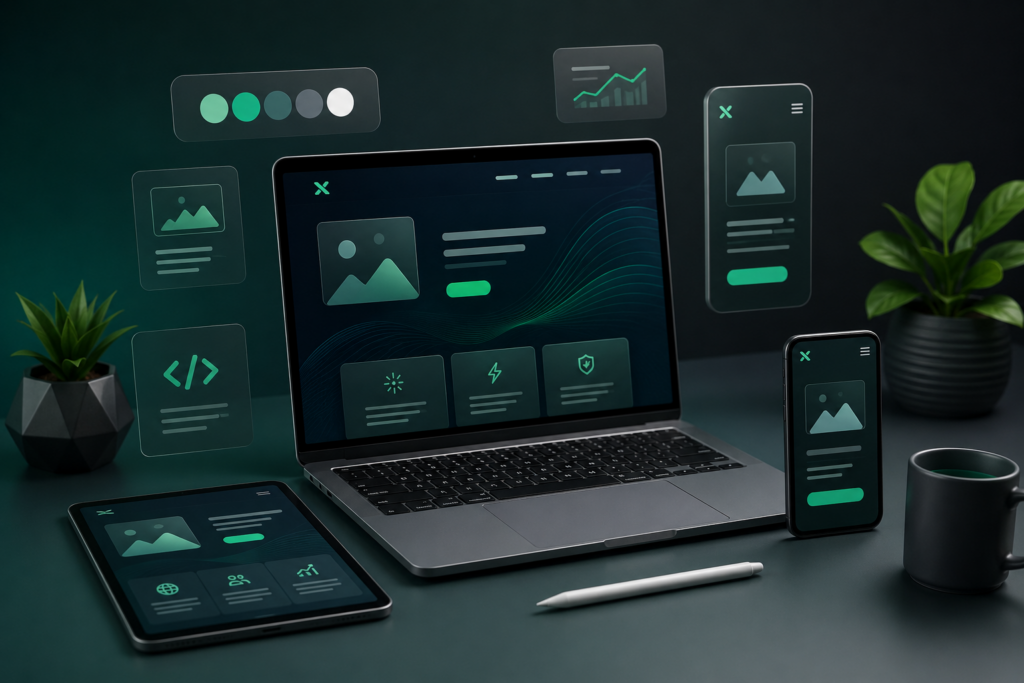
Your website is often the first interaction customers have with your business. In 2026, simply having a modern-looking website is no longer enough. Users expect speed, personalization, accessibility, and seamless experiences across every device.
Businesses that continue using outdated websites risk losing visitors before they even learn about their products or services. At NXTR Solutions, we believe great web design isn’t about following every trend it’s about adopting the right innovations that improve user experience, strengthen your brand, and increase conversions.
Here are the website design trends shaping 2026.
1. AI-Powered Personalized User Experiences
Artificial Intelligence is transforming how websites interact with visitors. Instead of showing the same content to everyone, modern websites can personalize experiences based on visitor behavior, interests, and location.
Examples include:
- Personalized product recommendations
- Smart search functionality
- AI-powered chat assistants
- Dynamic landing pages
- Automated customer support
Personalization helps visitors find what they need faster while improving engagement and conversion rates.
2. Minimalist Design with Maximum Impact
Clean interfaces continue to dominate website design in 2026.
Businesses are moving away from cluttered layouts and focusing on:
- More white space
- Clear typography
- Simple navigation
- Focused messaging
- Strong visual hierarchy
Minimal design allows visitors to concentrate on what matters most without unnecessary distractions.
3. Faster Websites Win More Customers
Website speed has become one of the biggest ranking and conversion factors.
Visitors expect websites to load almost instantly. Slow websites lead to higher bounce rates and lost sales.
Modern websites are now built with:
- Optimized images
- Lightweight code
- Faster hosting
- Efficient caching
- Performance-focused development
At NXTR Solutions, performance optimization is integrated into every website we build because speed directly impacts business growth.
4. Mobile-First Design is No Longer Optional
More users browse websites from smartphones than desktop computers.
A mobile-friendly website now means:
- Responsive layouts
- Touch-friendly navigation
- Faster mobile loading
- Easy-to-read content
- Optimized forms
Businesses that prioritize mobile users create better customer experiences and improve search engine visibility.
5. Interactive User Experiences
Static websites are gradually being replaced by interactive experiences.
Popular examples include:
- Micro animations
- Scroll-triggered effects
- Interactive icons
- Hover transitions
- Dynamic page elements
These subtle interactions make websites feel modern without overwhelming visitors.
6. Accessibility Becomes Standard
Inclusive design is becoming an essential part of professional web development.
Modern websites are designed so everyone can access information regardless of ability.
Key accessibility features include:
- Proper color contrast
- Keyboard navigation
- Screen reader compatibility
- Readable typography
- Alternative image text
Accessible websites improve user experience while expanding your potential audience.
7. Dark Mode and Adaptive Themes
Many users now prefer dark mode because it reduces eye strain and creates a premium visual appearance.
Modern websites increasingly offer:
- Automatic light/dark mode
- Theme switching
- Adaptive color palettes
- Consistent branding across both modes
This provides visitors with greater flexibility while enhancing the overall user experience.
8. Bold Typography and Strong Visual Identity
Typography has become one of the most powerful branding tools.
Large headlines, modern fonts, and clear messaging help businesses communicate faster while building trust.
Combined with professional imagery and consistent branding, typography creates memorable first impressions.
9. Smarter Navigation
Navigation continues to become simpler and more intuitive.
Successful websites now focus on:
- Fewer menu options
- Sticky navigation bars
- Predictive search
- Clear calls-to-action
- Better page organization
Visitors should always know where to go next.
10. Security Builds Customer Confidence
Website security has become part of good design.
Customers expect websites to protect their information through:
- HTTPS encryption
- Secure forms
- Privacy-focused development
- Reliable hosting
- Regular updates
A secure website builds trust while protecting both businesses and customers.
Why These Trends Matter
Website trends should never be followed simply because they’re popular.
Every design decision should help achieve business goals such as:
- Increasing leads
- Improving customer trust
- Boosting conversions
- Enhancing user experience
- Supporting long-term growth
The best websites combine attractive design with performance, functionality, and business strategy.
Build a Future-Ready Website with NXTR Solutions
Technology continues to evolve, and customer expectations evolve with it. Investing in a modern website today helps your business stay competitive tomorrow.
At NXTR Solutions, we design and develop websites that combine beautiful design, fast performance, responsive layouts, and scalable technology. Whether you need a business website, an eCommerce platform, or a fully customized digital solution, our team builds websites that are designed to grow with your business.
If you’re ready to create a website that reflects your brand and delivers measurable results, NXTR Solutions is here to help you take the next step.